Categories
Building Construction

The Fireman’s Guide to Main Street: 5 Buildings to Know, Part 1

Lex Shady & Chris Tobin

There is a quote that we believe represents the vast majority of the fire service concerning buildings; it reads,

“Many an object is not seen, though it falls within the range of our visual ray, because it does not come within the range of our intellectual ray.” Thoreau, Henry

Simply put, we all see buildings, but few understand what they’re actually looking at. That’s a problem, a really big problem for two important reasons: a building is the one thing that directly or indirectly affects everything we do on the fire ground and the only thing we can do about a compromised building is avoid it entirely. We show up with no solution to sagging roofs, crumbling walls, or missing floors other than staying away. We can mitigate smoke, fire, and rescue trapped victims, but we can do nothing about the leaning wall. It’s this stark reality that many forget and have paid the price. You can know all there is about fire behavior, your tools and strategies, none of which hold any value if you’re unfamiliar with the space in which they are relied upon. Some may say all fires are the same, which is true until you put one in a building. Behind every door are an infinite amount of variables, some known, some unknown and some unexpected. This is why nothing’s routine till it’s over and why knowing your buildings on a visceral level is paramount. If you want to be able to forward think, you must understand the data you’re receiving.

This will be a five part series exclusively examining five different types of legacy construction, each with its own article as it pertains to firefighting. The types of buildings were selected based on their prominence in today’s main streets and historic districts. These specific types of buildings exist in small towns from coast to coast but are more commonly found East of the Mississippi River where our national building stock originated before moving Westward.

The five buildings are the old house, the taxpayer, the old mill, the vacant theater, and the bowling alley. Each of these will be examined along with inherent hazards and a play book for handling fires specific to each occupancy. Additionally since many of these buildings are found in small towns with departments that may not have the adequate resources, there will be a section based on short staffed responses for each. The objective of this series is to present the most useful amount of information in the least amount of space. Each of these buildings are worthy of their own book themselves; this series is meant to be concise and simple information for any level of firefighter. As with any article on architecture, regional vernacular and departmental jargon may vary. Nothing in this piece is the final say, only the individual reader and their streets can make that claim.

Part 1

The Building

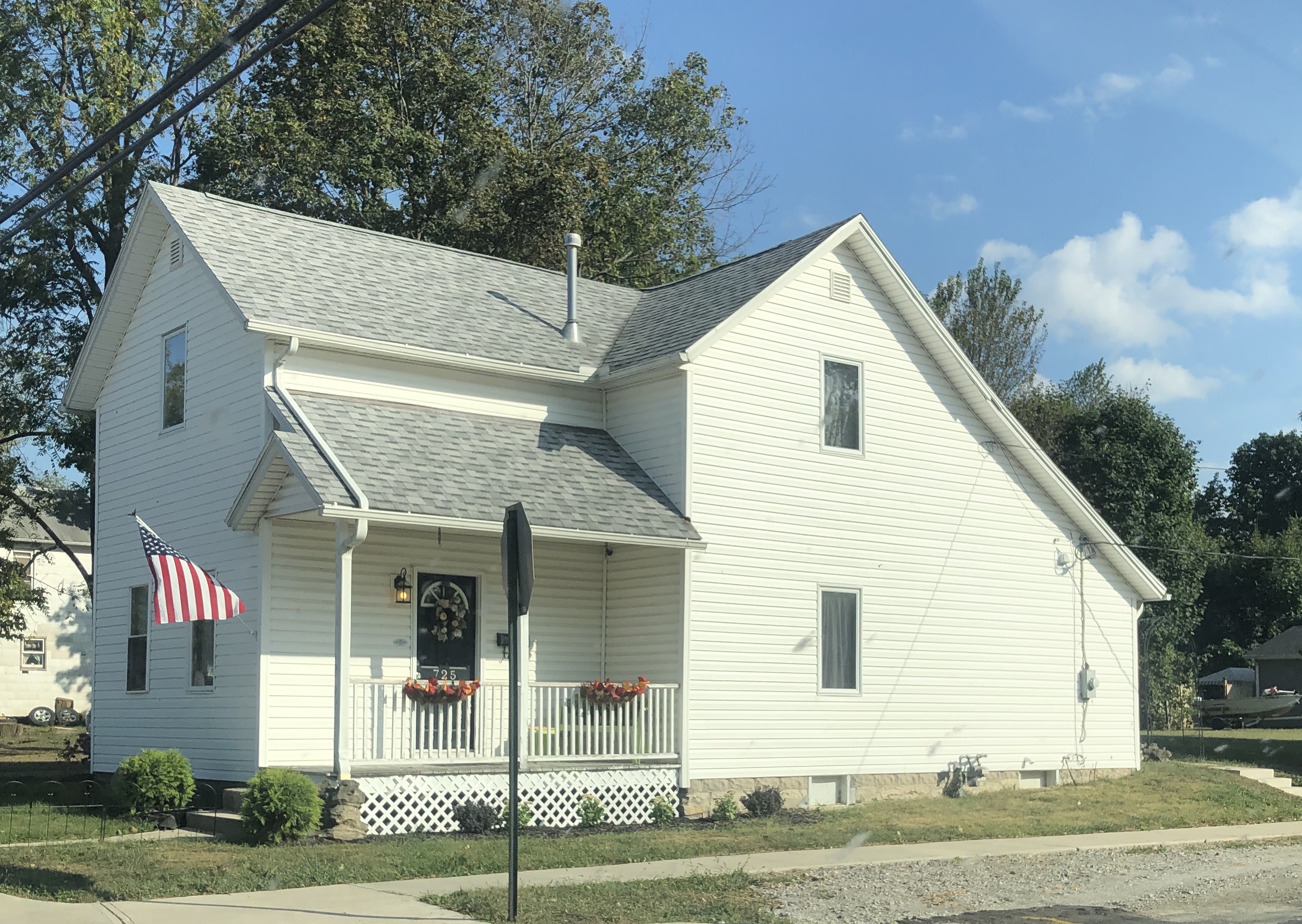
The old house: The older single family homes in historic districts and around Main streets come in a countless styles and forms, from large ornate Victorians that line avenues owned by early prominent landowners to small shotgun bungalows within walking distance to factories facilitating the local workforce. The majority of what we see today are legacy framed or masonry brick buildings dating from the 1850s-1930s. Due to their abundance and because the other buildings in this series are all commonly of masonry construction, this section will address specifically wood framed houses. Access to railroads for Eastern timber played a pivotal role in how early or late your areas legacy building stock will be. A towns layout also determined what type of structure would be built. Long narrow urban lots would be best suited for gable front or shotgun style houses while wider ones would accommodate “I-Houses,” two rooms wide and one room deep. Most legacy frame houses were multi-story with half-storied gable windows or dormers of some sort. These buildings are easily identified from the exterior by stone foundations, center chimneys, wood siding, transoms, long narrow windows, metal roofs, and upper floor window AC units are common due to sub par centralized air.

The Hazards

The inherent architectural hazards in old legacy homes starts in the framing. With access to timber and saw mills these “mass planned” homes went up fast with balloon framing techniques taking the place of rough cut post and beam. The fire spread in balloon framing is nothing new to firefighters. The continuous stud bay existing from basement to attic creates a direct avenue of fire extension that can blow past floors of unsuspecting occupants and the unprepared fireman. Balloon framing ended in the 1940s and was replaced with today’s platform framing. The classic indicators of balloon framing are, long stacked windows sharing the same stud bay, stone foundation and center chimney placement. Beware of modern additions to the exterior of these houses such as garages or sun rooms. This will create an interior balloon framed wall that was originally an outside one.

In addition to the framing voids created, legacy homes contained older lumber. Go into an old attic and rub your finger on a ceiling joist, you’ll find what appears to be charcoal like dust. The structural members in these places are subject to what’s called pyrophoric carbonization. The wood is slowly oxidizing, losing moisture and thus burns more intensely due to lower ignition temperatures than expected. Many a fire has been started by a lightbulb being hung too close to a century’s old piece of lumber.

The layouts of these homes present some challenges to firemen. Two sets of stairs would be common, one main set near the entrance and smaller set in the rear off the kitchen called “servants stairs.” A common roof style is the “ saltbox or catslide” depending on your region, which poses a significant upper floor fire spread potential via the roof soffit. In addition some lesser known hazards are pocket doors, window transoms, laundry chutes, tin ceilings, metal roofs and combustible varnished wall coverings. These are all things to be cognizant of during firefighting operations.
The Playbook

Three words, hold the stairs! These buildings are almost always multiple stories with the bedrooms up stairs. The stairs and egress paths must be your strategic priority, fire heat and smoke will naturally be drawn up the stairs and into the sleeping areas above. If there are servants stairs this task will be doubled but no less important. Keep an eye out for a side entrance, these were common and offered access to the basement and second floor stairs from one location. The first line off must address this without delay. Any time paused outside is more time the upper floors are filling with deadly byproducts of combustion. Confinement is key in legacy wood framed houses, search teams need to be aggressively diligent in getting above and ahead of hose lines if conditions permit in order to close doors and start overhaul concurrently with fire attack. Keep in mind if you VES and close the door for confinement there may be a failed transom window above, a high scan with a TIC should address this.

Ventilation in these buildings should play off the compartmented nature of their design. This means hydraulic ventilation by the hose team will be much more effective than the wide area floor plans seen in modern homes. This also allows extinguishment, overhaul and ventilation to be done simultaneously with one or two crews in the area of origin. Careful with PPV early on, as the many voids will give way to some very undesirable conditions. Fans should be used only in conjunction with overhaul well after the fires under control. Due to the prevalence of hip and gabled roofs, vertical ventilation is a common tactic for top floor fires containing knee walls. Understand you’re venting voids not living space.

Since these buildings are compartmentalized by design a single 1.75 hose line flowing 150gpm will do considerable knockdown to multiple rooms or even multiple floors of fire. Even so, as a regular precaution a second line should be put advanced to the upper floors for cutting off extension. This line can be dry stretched initially to get it in place quicker to upper floors.

Maneuverability wins the day in these buildings. If conditions require a large amount of water on arrival, choose the deck gun before the 2.5 if possible. Trying to advance a large diameter line to upper floors inside a building with numerous small rooms creating corners will be futile. A well off fire will out pace your advance regardless of your available GPM. Save the 2.5 for defensive operations or exposure protection.

Once the main body of fire is knocked, overhaul needs to start in two places as simultaneously as possible. Once in the room of origin, and the bathroom or kitchen closest to the fire. Plaster and lath walls and ceilings are common and need to be overhauled appropriately by working the connections along a stud, rafter or joist. Kitchens and bathrooms are important to immediately check due to the presence of “wet walls,” or the wall that contains the plumbing and vents creating a pipe chase. These walls are even more important when they’re directly above the fire floor or any fire in the basement. A general rule of thumb for overhauling in legacy construction is fire in the floor, open the wall. Fire in the wall, open the ceiling. Fire in the ceiling, open the baseboards on the floor above. These are fires you must stay ahead of by understanding where they’re going before it gets there. This forward thinking is the difference between evacuation tones and a quickly extinguished fire.

The Short Staffed Response

The initial response to an “old house” fire for a short staffed department includes the same actions as that of an urban department. The initial attack line gets stretched, water is pumped, and command is established. It has the potential to get complicated when your initial response consists of anywhere from 2-6 personnel. If your initial response does not have adequate manpower to complete tasks safely, your attack choices are made for you until additional personnel arrive. The only exception to this rule is for rescues, with confirmed or suspected entrapment departments must search.

As we talked about before, protecting the stairs can make or break how quickly you beat the fire. With low man power you may have to make an educated guess as to where the fire is, and make a choice as to which set of stairs to protect. Another line must be stretched to the second set of stairs as soon as manpower allows. The wrong choice can have dire consequences, so understanding fire behavior and fire spread in your old homes is extremely important.

Then there are the “other” tasks that must be completed at every fire. Manpower and the scene will dictate the tasks that are prioritized. Officers must be capable of reading fire behavior and be able to quickly and correctly prioritize tasks across their members. Understanding the construction of the homes in your district will help you with these decisions. It is imperative that officers know their crews strengths and weaknesses and assigns tasks appropriately.

Without the luxury of having specific companies your members will need to be cross trained and capable of completing all of the tasks a fire requires. Frequently, members will be responsible for more than one task. An example of this could be your initial attack team also completing the primary search. Nozzle man focuses on the fire, and the second man quickly searches rooms and closes doors as they advance. Engineers must be comfortable pumping tank water to the first line, and then establishing their own water supply. Communication and speed are crucial.

Pre-planned mutual aid agreements may be beneficial. Having mutual aid departments automatically dispatched to your fires allows the officer to focus on the fire in front of them instead of worrying about what resources he or she will need to request from mutual aid – help is already coming. Recall for members and mutual aid from surrounding departments can take anywhere from 5-20 minutes on a good day, which is great for manpower on longer scenes, but doesn’t help for initial response tactics. You’ll still need them though, as you’ll need to provide your members with a chance to rest.

Old house fires also come with the potential for it to be a rural fire which adds an entirely new set of complications. Rapid response and establishing adequate water supply early are the keys to success for these scenes. This is where pre-planning of your district is extremely important. The officer and driver must be aware of where the closest hydrant or dry hydrant is and be able to rapidly establish a tanker shuttle if necessary. Tank water can get you a long way, but with delayed response due to travel times, it may not be enough. Don’t be afraid to call for help. It’s better to have too many on scene and send them home, than not enough. You can’t put out a fire if you run out of water.

Regardless of department size or response, legacy wood framed buildings require strategic foresee-ability on arrival. A wood framed building and its seven sides of fire spread have been the thorn in many a Chiefs side. The old houses that exist in every small town, in every state, demand a certain level of respect that has been lost to modern lightweight construction in the name of a penny. These homes were built to last and will test every skill set a firefighter claims to have. Never forget the reality is, no matter how much you know, where you work, or how good you think you, are the simple fact remains; the building does not care.
Categories
Firefighting

Saltbox Construction

Lex Shady

Building construction styles vary across the country, states, and even in your own city. It’s important to understand your district, so you can understand how a fire may spread in a structure, and what the inherent fire spread/collapse risks of that structure may be.

As I started to study the construction styles in my city, I noticed several unique design styles. I honestly wasn’t sure what I was looking at, so I started to do some research. I assumed that with unique styles comes changes in fire spread and firefighting tactics. One such style of construction in my district is the “saltbox”.

A saltbox house is designed with a Colonial style of architecture originating in New England, first seen around 1650. The rumor is that saltboxes gained popularity during colonial times due to the Queen Ann taxation of houses taller than one story. By having one roof line, with the rear being single-story, they could avoid the tax. In reality, during that time, multiple families would live in the same home. So most likely, the style came from needing more space, not needing to avoid a tax.

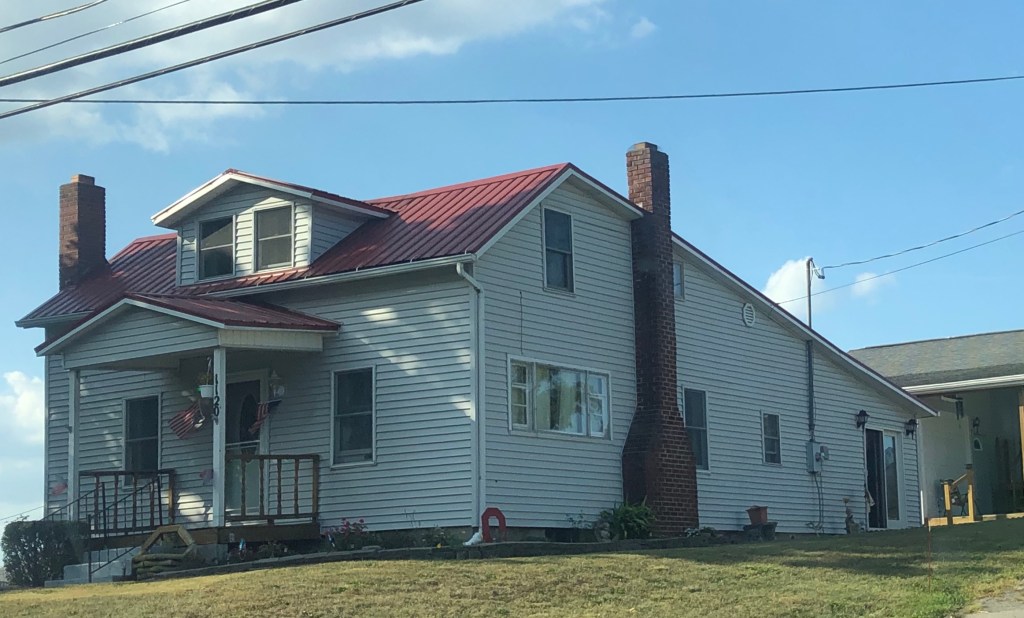
Note the central chimney.

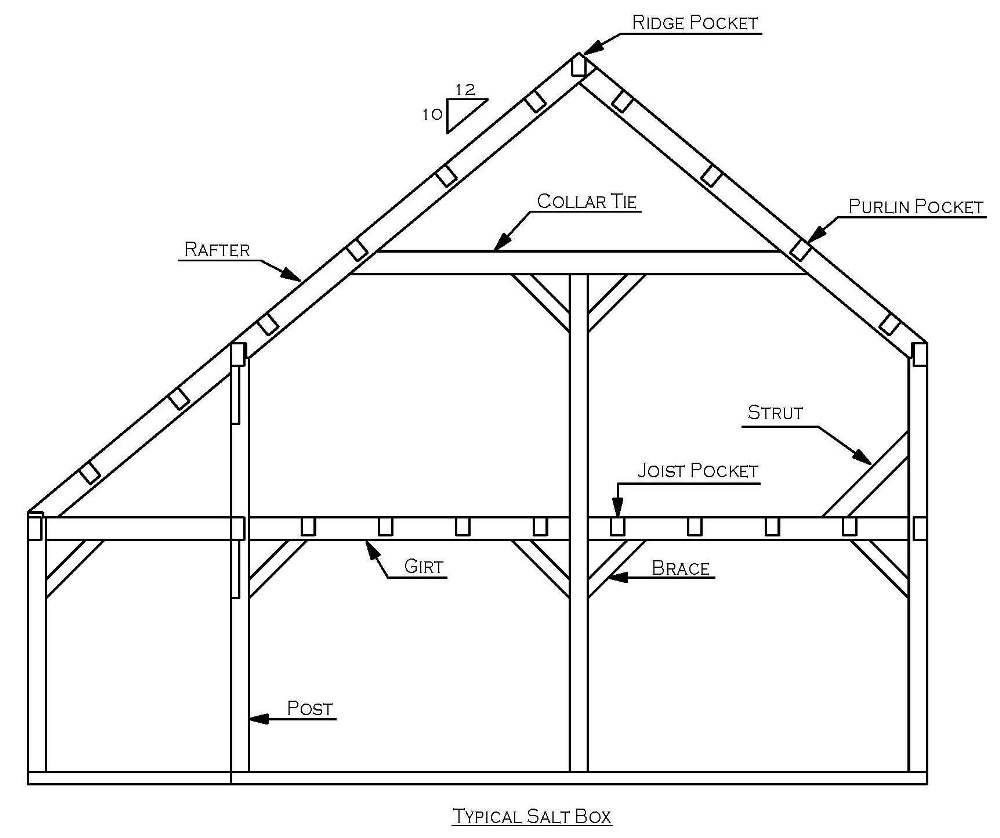
Saltboxes are frame houses with two stories in front and one in back, having a continuous pitched roof. The original homes were designed around a central chimney with a family room and kitchen on the first floor and the bedrooms upstairs. When the families expanded and they needed more room, a shed was added to the back of the home and the roof extended. The kitchen was then moved to this room. In the early 17th century original homes began to be constructed in this style. The name comes from wooden boxes used at that time to store salt. The boxes and homes both shared the same gable style roof shape. (Gable roofs are the most common roof types in the midwest- two roof sections sloping in opposite directions, the highest edge meeting to form the roof ridge.) Saltbox gable roofs have asymmetrical sides, one section being tall, the other short.

It’s important to note there will be additional void spaces in these types of structures.

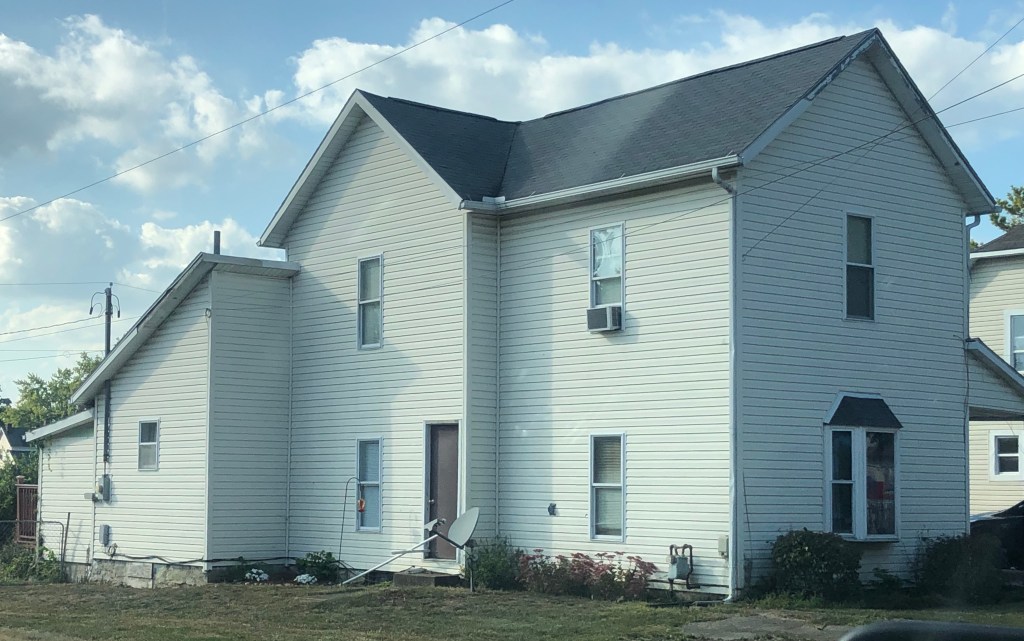
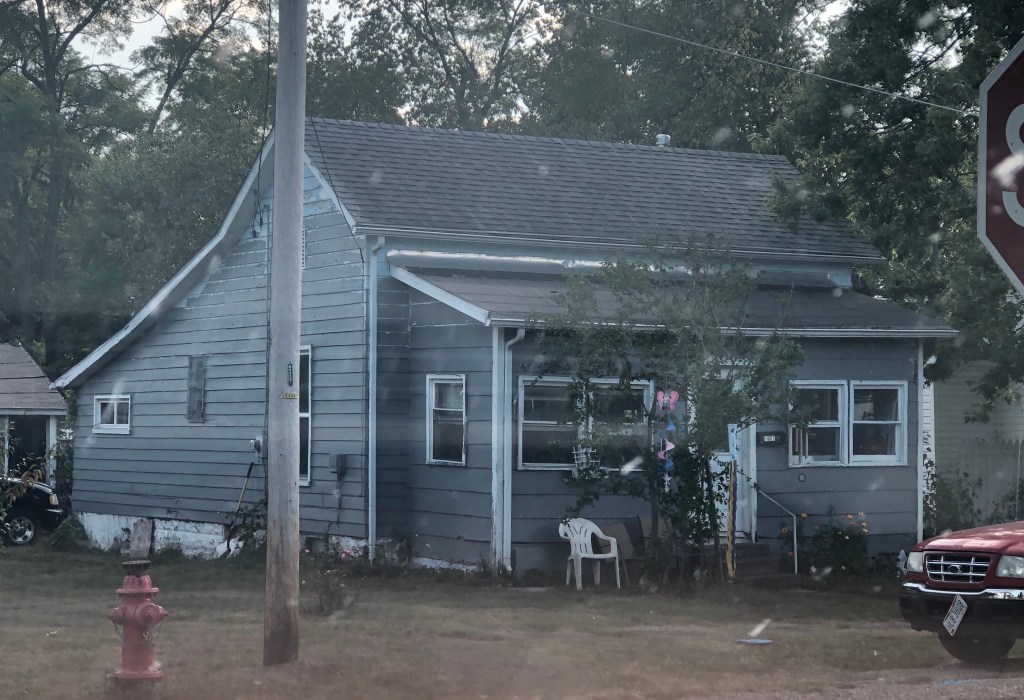
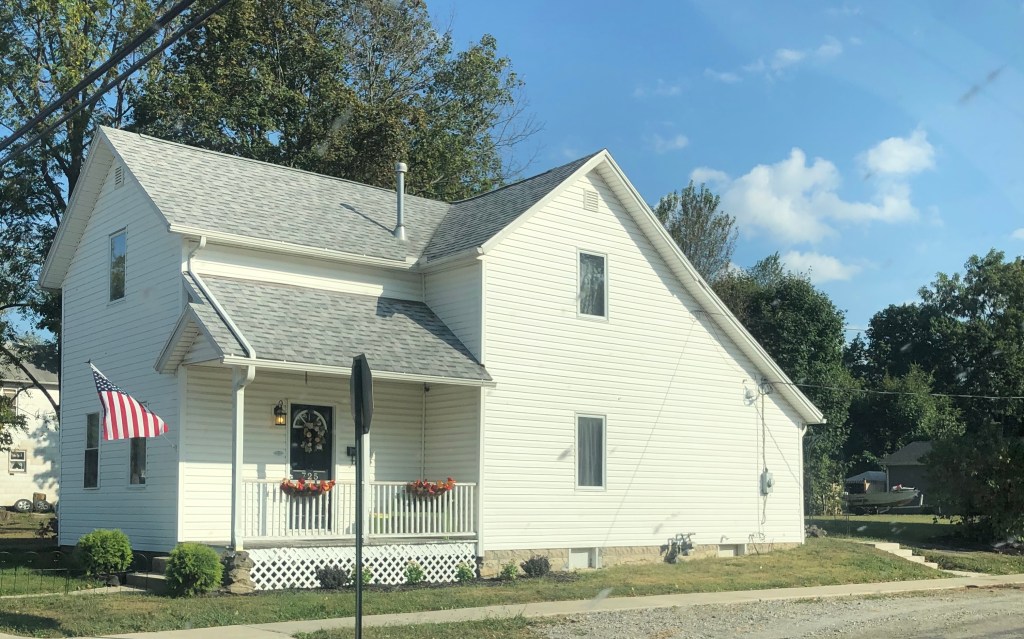
Not every structure that has a rear addition with a pitched roof is considered saltbox. An example would be the images below. The important difference here is that there is no continuous roof line. The soffit will act as a sort of “fire stop” preventing the trench effect spread of fire from the first floor.

Notice the soffit provides a break in the roofline.

So why does knowing this construction style matter? Typically first floor fires spread to the upper floors in various ways such as extending out the windows to the second story windows, traveling up a stairwell, burning through the floor, etc. With saltbox style construction, fire can spread from the first floor to the attic space by following the voids in the roof line all the way to the top. This can happen fairly quickly, without being seen from the outside. Think similar principles to a basement fire traveling up the walls of a balloon frame house.

In a saltbox style home, this vertical fire spread occurs through the trench effect, such as the Kings Cross Fire in London in 1987. Once the fire gets into the roof line, there is nothing to stop it from going to the ridge and spreading across the rest of the roof. As with any peaked roof structure, there is collapse risk from fire exposure due to the structural framing, roof decking, etc. What makes these structures different, is the potential for rapid fire spread to the stories above. When fighting these fires you’ll want to be sure to send a second crew to the upper floors to check for extension.

Citations

Chimney- and Trench Effect, MSB [Video file]. (2015, February 16). Retrieved from https://www.youtube.com/watch?v=PSmeg-vn6ho

Dunn, V. (2010). Collapse of Burning Buildings, 2nd Edition: A Guide to Fireground Safety. PennWell Books.

Framing Styles for Timber Frames and Post & Beam Barns. (2018, September 10). Retrieved from https://www.vermonttimberworks.com/learn/post-beam-framing-styles-bents/

Gable roof. (2009, November 25). Retrieved from https://en.wikipedia.org/wiki/Gable_roof

History of Saltbox Style Homes. (n.d.). Retrieved from https://houseplansandmore.com/resource_center/history-of-saltbox-homes.aspx

The King’s Cross fire, 1987 ? fires that changed history. (n.d.). Retrieved from https://www.london-fire.gov.uk/museum/history-and-stories/historical-fires-and-incidents/the-kings-cross-fire-1987/

London Fire Journal. (2005, July 13). KINGS CROSS FIRE – 1987. Retrieved from https://londonfirejournal.blogspot.com/2005/07/kings-cross-fire-1987.html

Saltbox. (n.d.). Retrieved from https://www.britannica.com/technology/saltbox

Trench effect. (2004, June 27). Retrieved from https://en.wikipedia.org/wiki/Trench_effect

Categories
Firefighting

Time, reps, and a whole lot of sweat.

Lex Shady

Anyone who knows me well, knows that for me just “doing the job” is not enough. I’d say at bare minimum I want to be competent, but minimum standards are a trip hazard. I want to put in the work to be a “good” fireman one day. Someone that can help pass on everything taught to me, to the next generation. There is only one path to get there. That’s time, reps, and a whole lot of sweat.

There’s obviously only one way to get the time, and that is to put in the years on the job. But what better way to put in the reps and sweat than investing your time in training with humble and hardworking firefighters. Personally, there is absolutely nothing more motivating or clarifying than spending time with other like minded individuals. Having the opportunity to listen to, train with, and learn from some of the most talented firefighters in the industry is an opportunity I’m not going to pass up.

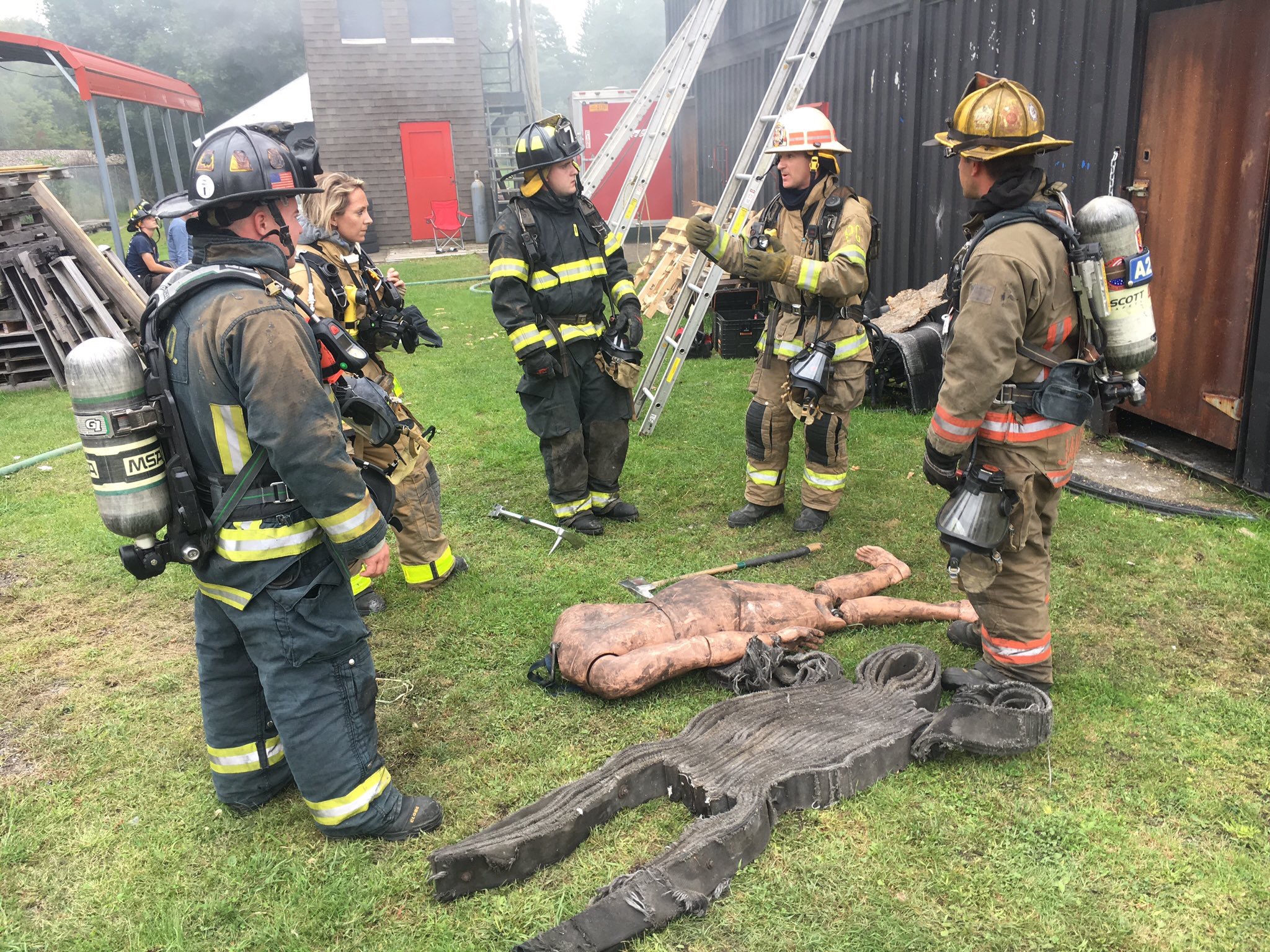
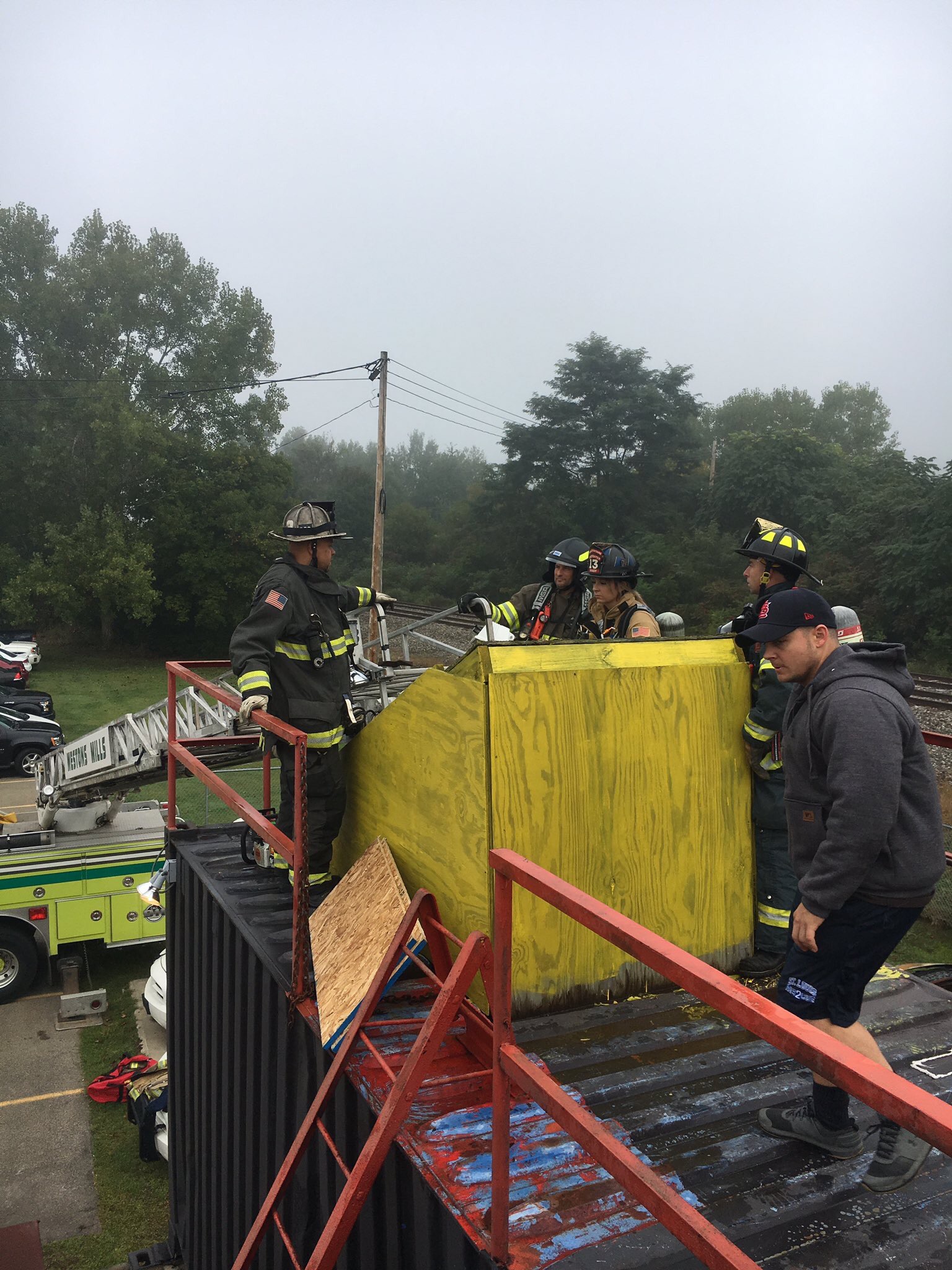
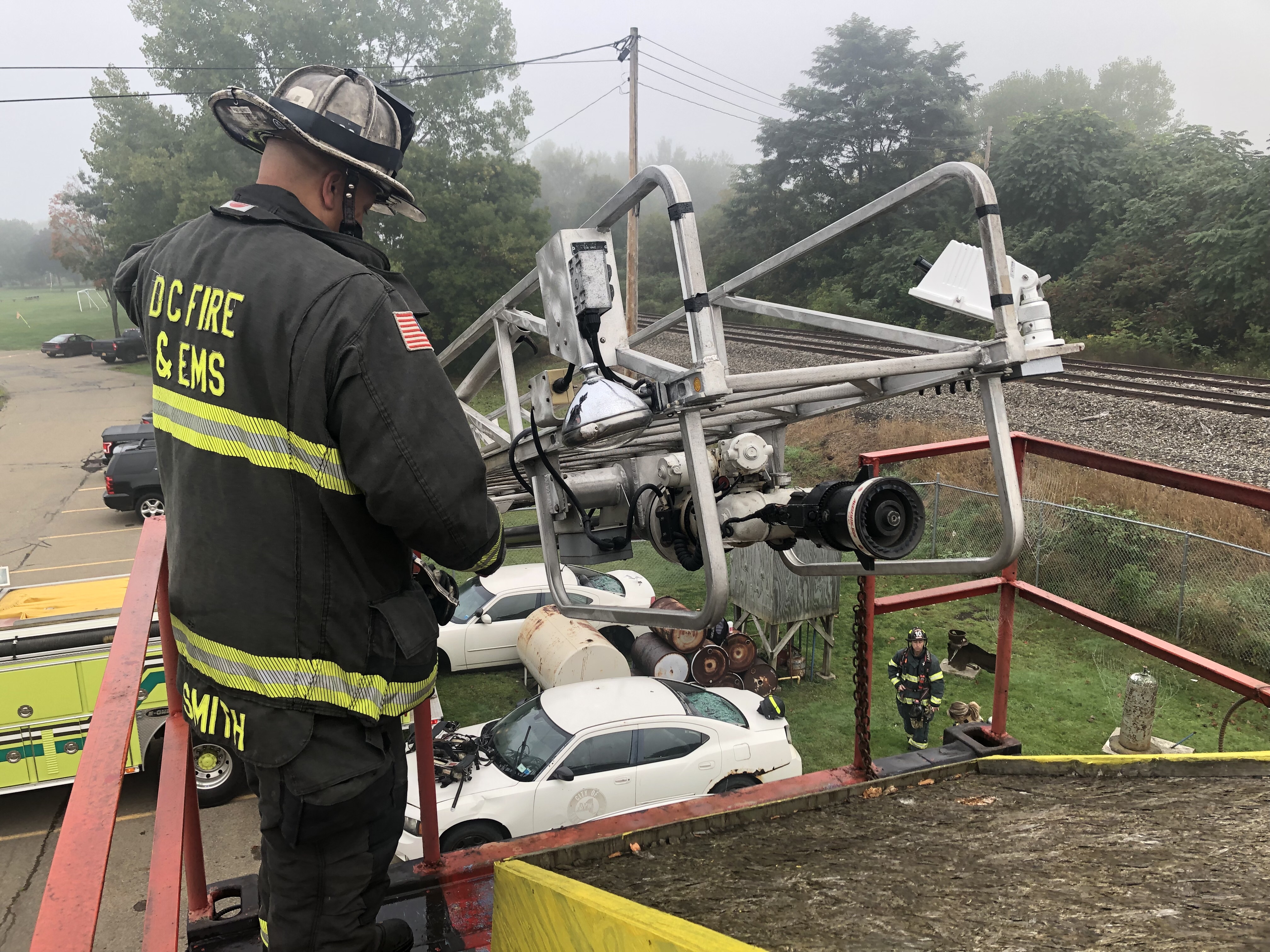
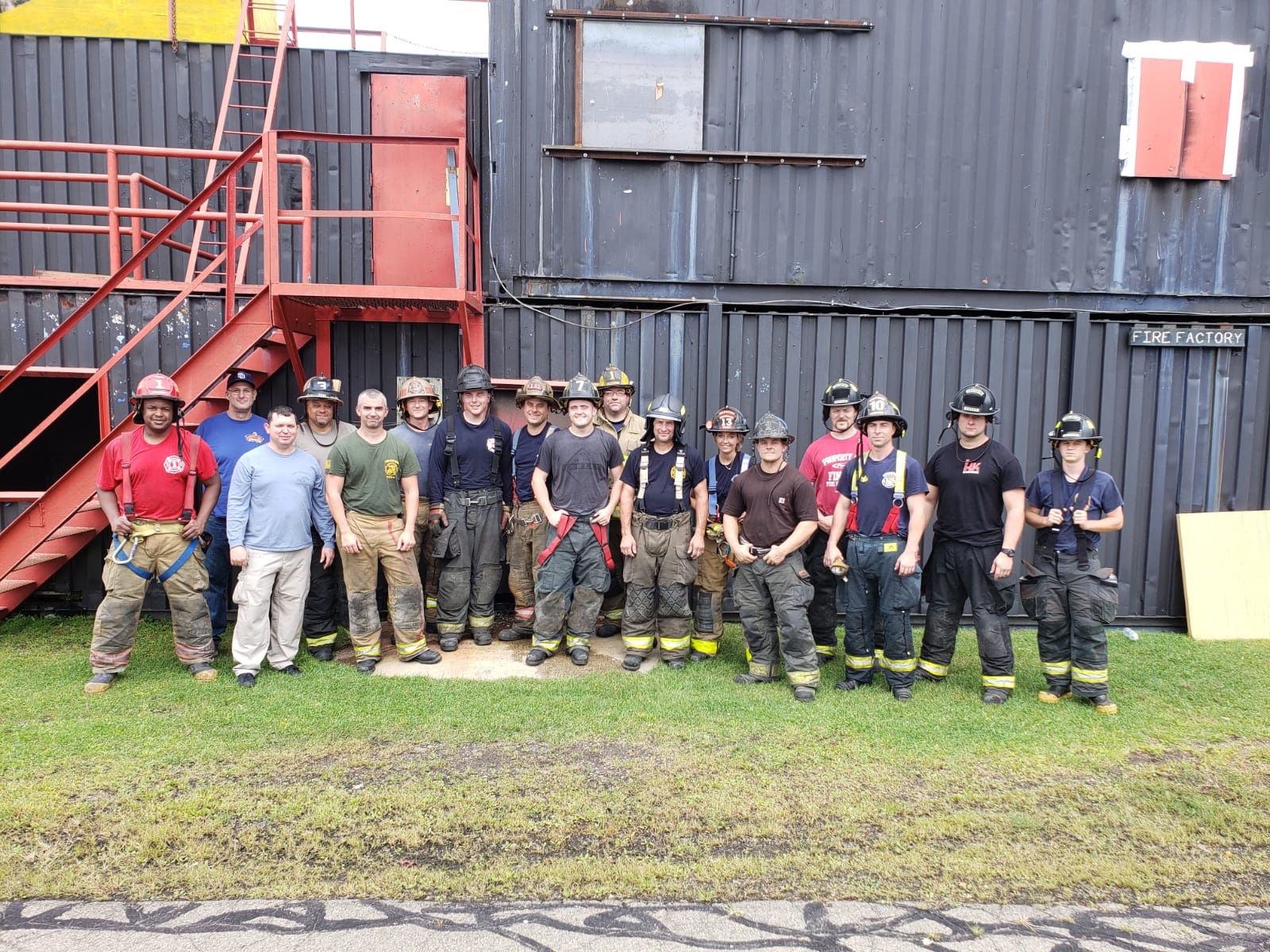
This weekend I was able to fit in a quick trip to New York to the First Due Training Conference. (If you didn’t go, you missed out and should go next year.) It was yet another incredible training experience. The conference offered both lectures, and hands on. After the first day was a Tactics on Tap discussion, which if you don’t know what that is, is a bunch of firemen sitting around telling stories. Most of which are hilarious. For the hands on portion, I took the Truck class, and the group of instructors was one of, if not the best, I have had. Everyone was knowledgeable, and answered every student’s question with tricks they’ve learned from their experiences. They took time to work with each individual student, showing them various techniques, and gave specific suggestions on how to keep improving. They also gave advice on how to implement the training and props at your own department. The class was essentially divided into three parts: rotating skill stations, exploring the city and talking ladder placement, and several evolutions of live fire.

I’ve learned a lot from attending trainings and conferences over the last several years, and some of the best stuff I’ve learned has come from simply listening to people talk. If quality training from high caliber instructors isn’t enough reason for you to get outside of your department, below are a few of the other benefits I have found from them:

Mentors.

    I’ve talked a lot about this before, because I think it’s so important to your career; but find yourself quality mentors. I would without a doubt, not be where I am today without mine. The experience they have is invaluable, and they are the kind of fireman I aspire to be one day.
    A good mentor is willing to give you their honest opinion based on their experiences, and can be a voice of reason when you need it. However, if you’re going to request their time, you need to be willing to consider what they’re saying, even if it’s not something you necessarily wanted to hear. You never know who you may meet at a conference that would be willing to mentor you during your career.

Networking.

    Now, I don’t mean walking up to every “big name” you see on the or going on a Facebook friend request rampage and asking them to be your friend. I mean making quality connections. Find like minded firefighters from other departments in your area, or even across the country. Firefighters that you would want on your truck with you.
    It will never cease to fascinate me how different firefighting is across the country, yet departments have many of the same personality types or morale issues. I’m a firm believer there is something to be learned from everyone. Take the time to ask people questions, and really listen to their answers. Doing this has made a huge difference in my career.
    I’ve been fortunate enough to make some great connections literally across the country, many of these people I would never had met if I hadn’t attended these types of courses.

Friendships.

    Some of my best friends have come from Twitter and/or various conferences. Find people who are invested in the job, and who are constantly trying to better themselves. Find people who won’t sugar coat the truth for you, and who you can count on to help you keep moving forward when it feels like you’re knee deep in the mud.
    When I’m annoyed that I’m struggling with a certain technique or learning a new skill, one person will say, “you don’t know what you don’t know.” …not that it makes me feel better but it is true, and it’s the clarity I need to focus. Essentially, you didn’t know it, you know now, move on.
    And if all I’m doing is venting about a problem they’ll also tell me to “quit complaining and fix the problem, and if you can’t fix the problem, then it’s not your problem so quit complaining.” As you can imagine, both of those statements can be infuriating when you’re in the middle of a rant. It’s basically like saying “shut up and keep working, you’ll get there eventually.” As mad as I get in the moment, that is exactly the kind of person you need, or at least I need.
    I need someone who knows when to let me vent, but also isn’t afraid to call me out on my crap and keep my head straight when I feel frustrated and lose perspective. These are the people that are going to essentially say, “what the *$%#? are you doing?” If they think you’re getting off track of your goals. These are the people you can call or text at 2am when you get back from a fire to hash out how to make the next one go better. And who are as excited to talk about the job as you are.

Shattering comfort zones.

    Traveling to conferences forces you out of your comfort zone. When I first started I was quiet (still am, I prefer to listen), and terrified of looking like an idiot in class. This resulted in not asking many questions, to the point that sometimes I would leave confused, with no one to blame but myself.
    Now I don’t care, in order to be effective I need the answer, and the only way I’ll get it is to ask. No one wants to look incompetent, but I’m no longer afraid to learn. Instead I’m afraid of doing something wrong my entire career.
    Take classes on topics you’re not confident in. Get out of your comfort zone in class, it can be a humbling experience, but it shows you exactly what you need to work on. If you only attend classes on skills you do frequently, say fire attack or EMS, you’ll never get better.

In my opinion, you have no excuse to not want to learn, except laziness. And there are small conferences and trainings popping up across the country making it easier than ever to learn. I’m fortunate my department is supportive of me wanting to travel and learn. I’ve found this is the best way to keep myself focused and pushing forward. If nothing else, I want to listen to firemen tell stories. Hopefully I’ll see you there!

As always, move with a purpose.

Photo cred: Chief Woolery


Categories
Firefighting

The Paradox of Choice

Lex Shady

Do you ever struggle with training, or studying about the job? I don’t mean in struggling to find motivation or drive to do it, but rather where to even start? I want to soak everything up I possibly can about the job. There are so many different avenues to the fire service: engine company, truck company, squad, technical rescue, HAZMAT, RIT, even EMS, the list is almost endless. Have a RIT article for me? Send it. Oh there’s a good video showing vertical vent? Ok I’ll watch that too. Fire Engineering sent out another email? Better save that to read later. Someone tweeted tips on things to look for in building construction? Better drive around the city looking for similarities.

Sometimes I find myself jumping from book to book, article to article, tweet to tweet. Trying to soak up everything but not really getting what I want or need. So a few months ago I decided to try and lay out a schedule for myself to help keep me a little more on track. I stick to this schedule religiously on shift days, on my off days I still find myself jumping around on different topics, but it has helped give me some structure. I also have about 6 different fire books that I am currently reading in my free time- which one just depends on my mood that day. I didn’t say I had my studying completely nailed down yet. I’m definitely not saying this idea works for everyone, but it’s been great for me so far.

**Note: These topics are pretty broad for a purpose. They give me guidance on the kind of thing to study that day, but allow me to pick things that interest me. This also forces me to pay attention to things I wouldn’t normally choose to study – aka EMS).

Monday

  • Mayday/RIT

Tuesday

  • Truck/Rescue/Search

Wednesday

  • Water (supplies, staffing, pumping, etc.)

Thursday

  • Historical fires

Friday

  • Tactics (Ex. Basement fires, UL studies, etc.)

Saturday

  • Leadership/Personal Development

Sunday

  • EMS

Read 1 LODD report a week.

**Another tip: Take notes on everything you read, watch, or study. I can’t tell you how many times I’ve referred back to them. Also, if you see something you don’t understand, reach out to someone. As long as you’re studying and trying to get better there are no stupid questions.

Maybe there are different topics you would choose to focus on, or have some suggestions for me? I’d love to hear!